


Undergraduate Programs
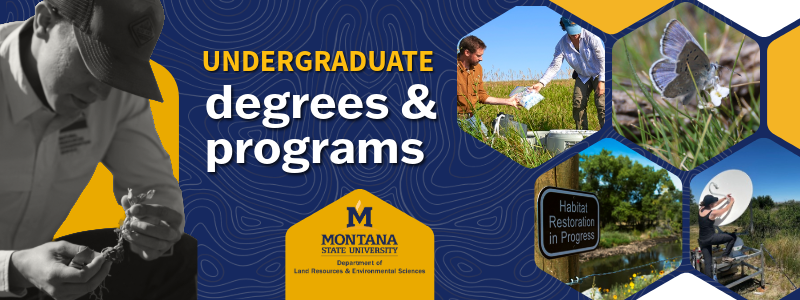
Undergraduate degrees require a minimum of 120 credits for graduation; 42 of credits must be in courses numbered 300 and above. Working closely with advisers, students formulate a course of study appropriate to their program and goals.
Many students gain valuable experience assisting with research projects in the laboratory, greenhouse and field, or find employment within the department.
B.S. in Environmental Sciences
Options (click for Catalog Information)
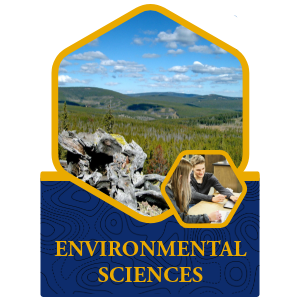
The Environmental Sciences major provides a broad, flexible foundation in biological, physical, and chemical processes that shape land and natural resource systems. Students gain classroom, laboratory, and field experience that prepares them for environmental problem‑solving careers or graduate study across a wide range of disciplines. Build a broad foundation in environmental science and launch a career in environmental consulting, natural resource management, government agencies, or graduate study.
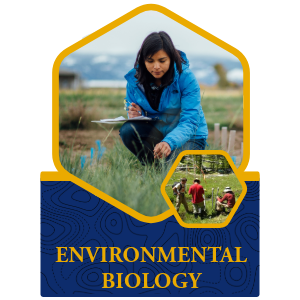
The Environmental Biology option focuses on understanding how organisms interact with their environments and how biological systems respond to human disturbance. This option is ideal for students interested in ecology, conservation, restoration, or using organisms to remediate degraded ecosystems. Study how organisms interact with their environments and prepare for careers in ecology, conservation, restoration, environmental consulting, or graduate research.
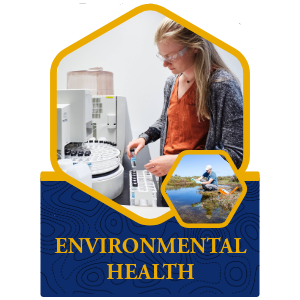
The Environmental Health option integrates environmental science with human health, emphasizing the effects of biological, chemical, and physical factors on well‑being. Students receive interdisciplinary training and hands‑on experience that prepares them for careers in environmental health, public health agencies, or graduate and professional programs. Protect human health through environmental science and enter careers as an environmental health professional, health inspector, risk assessor, or pursueenvironmental health, occupational health and safety, environmental law or medical graduate programs.
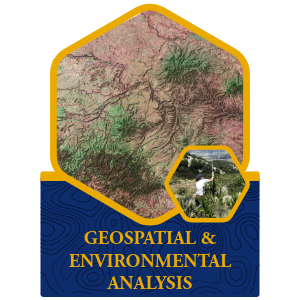
The Geospatial and Environmental Analysis option combines knowledge of core natural sciences with courses in remote sensing, geographic information systems (GIS), global positioning systems (GPS) and statistics to assist in supporting balanced land management decisions. Throughout the program, Geospatial & Environmental Analysis students are encouraged to gain hands-on experience with land, people and information through field trips, internships and the capstone field course.
The Environmental Sciences major at Montana State offers four additional Options Within the Major: Environmental Sciences, Environmental Biology, Land Rehabilitation and Soil & Water Science.
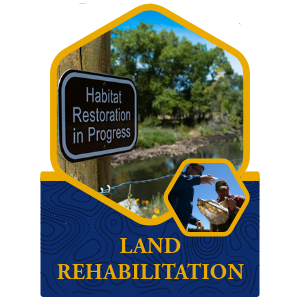
The Land Rehabilitation option prepares students to restore ecosystems disturbed by activities such as mining, agriculture, and development. Coursework focuses on applied ecology, soils, vegetation, and reclamation strategies used to return damaged landscapes to functional condition. Learn how to restore disturbed landscapes and prepare for careers in environmental reclamation, restoration ecology, consulting, or land management.
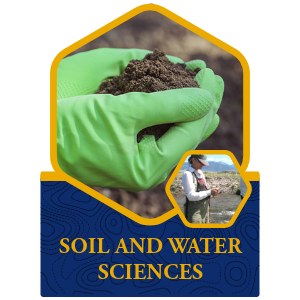
The Soil and Water Science option centers on the study of soils and water as critical components of healthy ecosystems and sustainable land use. Students learn to assess soil and water processes, manage resources responsibly, and address challenges related to erosion, water quality, and land productivity. Explore soils and water systems critical to sustainable land use, leading to careers in soil science, water quality, conservation planning, or environmental consulting.
B.S. in Sustainable Food & Bioenergy Systems
Options (Click for Catalog Information)
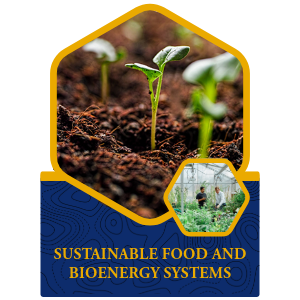
The Sustainable Food and Bioenergy Systems (SFBS) program offers an interdisciplinary, hands-on curriculum focused on the ecological, cultural, economic, and health aspects of food and bioenergy systems from production through consumption. The degree plan is intended to prepare and motivate students as agents of change to address society’s most pressing food and bioenergy issues towards sustained environmental and human well-being.
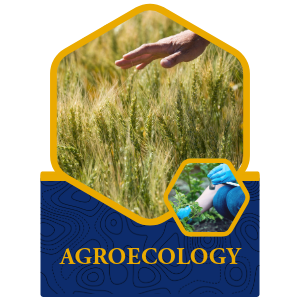
Agroecology explores how crops and pest organisms interact with their environment, and the application of technology to efficiently and sustainability produce crops. Agroecology focuses on application of population principles and community ecology, environmental science, and cropland ecosystems. The curriculum is based on the philosophy that to be able to successfully predict management outcomes and thus make informed recommendations, one must understand fundamental principles of evolution, ecology, soil science, agronomy, and pest management.
Minors
Options (Click for Catalog Information)
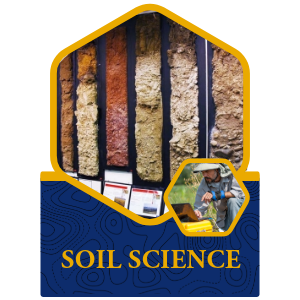
The Soil Science minor at Montana Stateallows students to develop applicable real-world knowledge of soil systems and tailor their undergraduate experience to prepare for a career in land rehabilitation, ecosystem management, precision agriculture and more. The program supplements an undergraduate degree with courses taught by nationally-renowned scientists and the opportunity for hands-on work in Montana’s varied ecosystems.
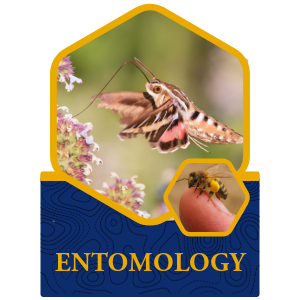
The Entomology minor at Montana State allows students to tailor their undergraduate studies, working with some of the most prominent entomologists in the West and exploring modern solutions to 21st century insect-health problems. The program supplements an undergraduate degree with courses taught by nationally-recognized entomologists with a variety of specialties and an emphasis on undergraduate research.
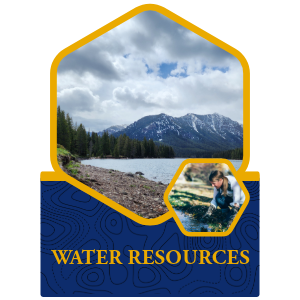
The Water Resources minor at Montana State allows students from any discipline to explore the all-encompassing importance of water to every facet of human life. From agriculture and technology to sustainability, population growth and ecosystem health, this program is designed to encourage students to explore courses beyond their major and foster a broad knowledge of water-related issues.

Contact Information:
Jill Scarson
Student Academic Coordinator
334 Leon Johnson Hall
Tel: 406-994-3090
E-mail: jscarson@montana.edu